

Every placement season, capable students walk into drives and don’t make it through. Not because they lack intelligence — but because of gaps that could have been closed months earlier.
For placement teams, this is one of the most frustrating realities of the season. You know the student had potential. You watched them prepare. And yet something went wrong — in the aptitude round, in the interview, in the final HR discussion.
Understanding exactly why students fail — and what can be done about each reason — is one of the most valuable things a placement cell can act on. Here is a clear, honest breakdown.
6 reasons students fail — and the fix for each — Late preparation · Aptitude blind spots · Weak communication · No interview practice · Pressure collapse · Zero company research
Reason 1 — They started preparing too late
The most common reason students underperform in placement drives is simply that they began preparing weeks — sometimes days — before the season began. Skills like aptitude reasoning, structured communication, and technical problem-solving take months to build. They cannot be compressed into a few intensive sessions.
Students who start late often know the right answers in isolation but struggle with speed, accuracy under pressure, and consistency across multiple rounds in a single day — all of which are direct products of sustained practice over time.
The fix: Introduce structured preparation from the second year. Build practice into the academic calendar — not as an add-on but as a consistent, tracked activity throughout the year.

Reason 2 — Aptitude blind spots that nobody caught
Many students have specific, persistent weaknesses in aptitude — data interpretation, number series, logical deduction — that quietly remain unaddressed through an entire year of preparation. They attend workshops, complete mock tests, and still fail the first screening round because the one area they struggled in was never specifically diagnosed and fixed.
Without granular performance data at the individual level, placement teams simply cannot see these blind spots. Training ends up general when it needs to be targeted.
The fix: Use diagnostic assessments at the start of the year and track individual performance by question type — not just overall scores. Platforms like LeetCampus surface these patterns automatically so coordinators can intervene precisely.

Reason 3 — Communication that fails under scrutiny
A student can sound articulate in a casual conversation but fall apart the moment they are asked to structure a response under interview conditions. Recruiters are not looking for fluency alone — they are assessing clarity, organisation, and the ability to express an idea precisely without rambling.
Students who have never practiced structured verbal communication — where they must open, develop, and close a response coherently — consistently underperform in both HR and technical rounds where explanation matters as much as the answer itself.
The fix: Build structured communication practice into the placement curriculum — not just group discussions, but regular sessions where students practice answering specific question types in a timed, evaluated format.
Reason 4 — Too few mock interviews before the real one
For many students, the first real interview they experience is the actual placement drive. One or two mock sessions in the weeks before is simply not enough to build the comfort, reflexes, and composure that a real interview demands.
The nerves, the unfamiliar format, the unexpected questions — these affect students who have not had enough repetitions to feel at home in an interview setting. Preparation that looks solid in theory unravels under the pressure of the actual moment.
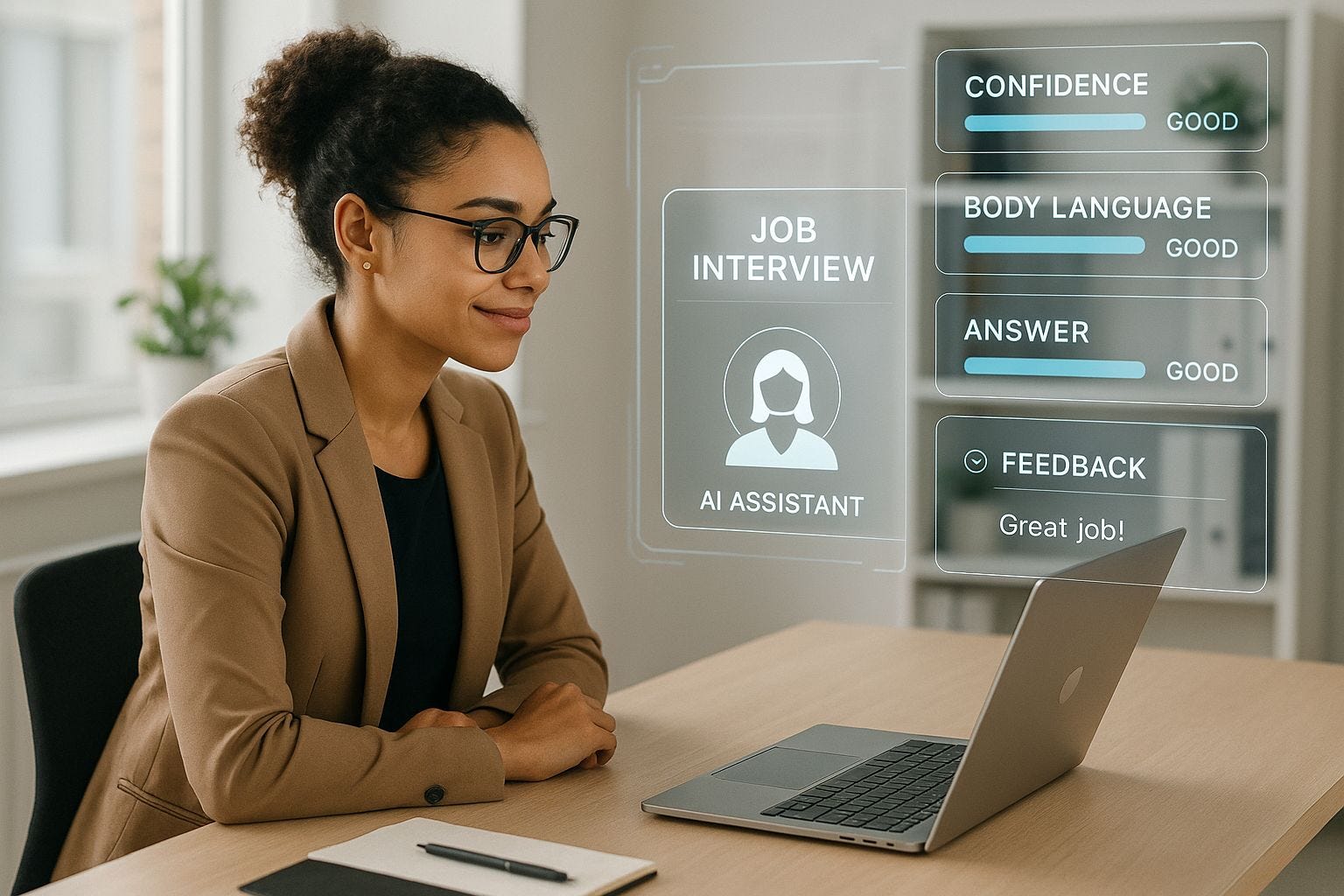
The fix: Give students access to on-demand AI mock interview simulations — so they can practice dozens of times throughout the year, not just in the final weeks. LeetCampus makes this available at scale without adding to coordinator workload.
Reason 5 — Pressure collapse across multiple rounds
Placement drives are long. Multiple rounds in a single day — written test, technical interview, HR discussion — each one with stakes attached. Students who have only ever practiced in low-pressure environments often find their performance deteriorating as the day progresses, even when they were well-prepared on paper.
Composure under sustained pressure is a skill, not a personality trait. It is built through repeated exposure to high-stakes practice environments — not through motivation talks or last-minute reassurance.
The fix: Run full simulated placement drives before the season — multiple consecutive rounds, timed and evaluated, in an environment that mirrors the real experience as closely as possible.
Reason 6 — No company-specific preparation
Students who walk into a drive without knowing the company’s test pattern, interview format, or what the role actually involves are at an immediate disadvantage compared to those who have done their research. Recruiters notice this gap within the first few minutes of an interview.
This is not about impressive knowledge of the company’s history — it is about demonstrating intent, preparation, and genuine interest in the specific role. Students who cannot answer “why this company?” convincingly almost never make it past the HR round.
The fix: Build a company knowledge base from past interview experiences and share structured preparation briefs with students before each drive. Make company-specific readiness a standard part of pre-drive preparation — not an afterthought.
“Every reason a student fails in a placement drive is a signal — not about the student, but about what the preparation system missed.”

What placement teams can do right now
None of the six reasons above are inevitable. Each one is addressable — with the right system, the right data, and preparation that starts early enough to make a real difference.
The placement cells that consistently see strong outcomes are not doing more. They are identifying these gaps early, closing them systematically, and building student readiness over months — not weeks.
If your team is ready to build a preparation system that addresses all six of these — with real-time tracking, personalised learning paths, and AI-powered practice at scale — LeetCampus is designed exactly for this purpose.
LeetCampus is an AI-powered placement training platform built for colleges and institutions across India. We help placement teams prepare students smarter, track progress in real time, and deliver stronger outcomes every placement season.