

India graduates more than 1.5 million engineers every year. Yet a significant proportion of these graduates face a difficult transition from campus to career — not because of a lack of talent, but because of a gap between how placement preparation is delivered and what today’s recruiters actually expect.
The good news is that placement training across Indian colleges is evolving — rapidly. The next five years will look fundamentally different from the last ten. Colleges that understand where this shift is heading will be far better positioned to prepare their students and attract quality recruiters.
Here is a clear-eyed look at where placement training is going — and what forward-thinking institutions are already doing today.
1. From batch training to individual learning paths
For decades, placement training in India followed a batch model: all final-year students attended the same aptitude workshop, the same group discussion sessions, and the same mock interviews — regardless of their individual strengths and gaps.
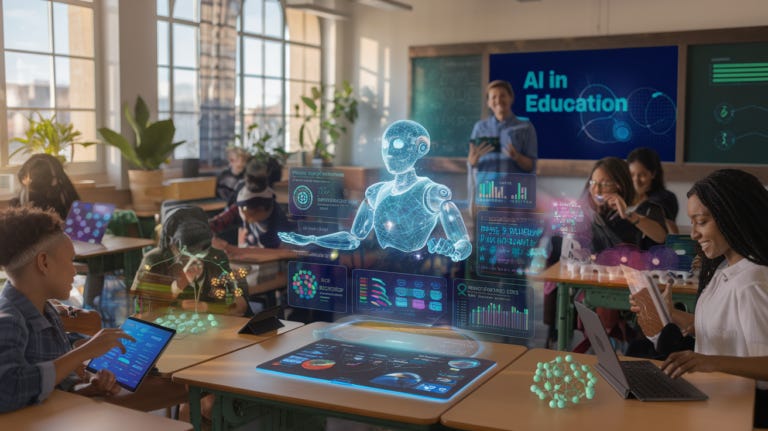
The future model is personalised. As AI-powered platforms become more accessible, colleges can now assess each student’s skill profile at the start of the year and create a learning path tailored to their specific needs. A student targeting a product-based company will train differently from one targeting a mass recruiter — and both will train differently from a student preparing for core engineering roles.
This is not just a better experience for students. It is a more efficient use of institutional resources — ensuring that every hour of training delivers measurable impact.
2. Real-time progress tracking will replace end-of-season reports
Today, most placement cells evaluate their performance after the season ends — through final placement numbers and recruiter feedback. This is valuable, but it comes too late to influence the current year’s outcomes.
The next generation of placement management will be built on real-time data. Placement teams will track student engagement with preparation activities, monitor improvement in assessment scores week by week, and identify at-risk students early enough to intervene. Instead of discovering a readiness gap in October, teams will see it forming in July — and act on it.
This shift from lagging indicators to leading indicators will be one of the most significant improvements in how placement cells operate.
3. AI-assisted practice will become the standard
Mock interviews and aptitude practice have always been important. The constraint has been scale — a placement team of two or three coordinators simply cannot provide meaningful individual practice to hundreds of students consistently.
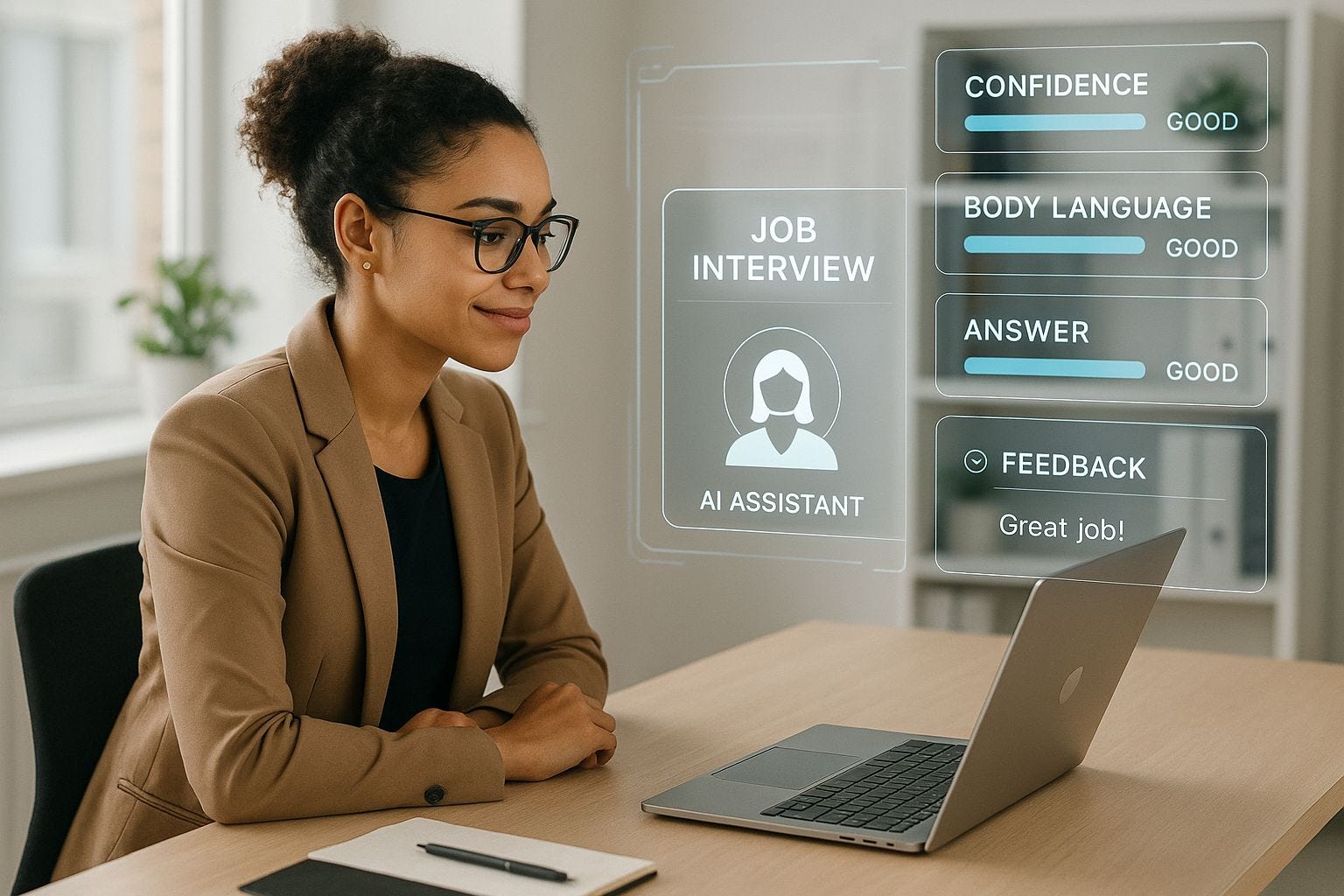
AI is removing that constraint. Students can now practice coding problems, aptitude tests, and even interview simulations on demand — receiving instant, specific feedback without requiring a human evaluator for every session. This does not replace human coaching; it complements it. Coordinators can focus on the high-value interactions — counselling, motivation, and company-specific preparation — while AI handles the volume.
Platforms like LeetCampus are already building this model for Indian colleges — giving institutions the tools to scale preparation without scaling headcount.
4. Placement preparation will start earlier
One of the clearest trends among high-performing placement cells is that they are beginning structured preparation in the second or third year — not the final year. By the time students enter the placement season, the fundamentals are already solid. The final months can be used for company-specific readiness, mock drives, and confidence building.
Colleges that start early consistently outperform those that compress everything into a few months before recruiters arrive. The earlier intervention also allows weaker students more time to improve — rather than being left behind by a late-start, high-pressure preparation cycle.

5. Recruiter expectations are shifting — and preparation must follow
Today’s recruiters are increasingly focused on demonstrable skills over academic credentials. Problem-solving ability, communication clarity, and adaptability matter as much as — sometimes more than — a student’s GPA or branch.
Placement training that focuses only on traditional aptitude and technical knowledge will gradually fall behind. The future curriculum will include structured communication training, critical thinking practice, behavioural interview preparation, and scenario-based assessments that mirror real workplace challenges.
Institutions that align their preparation with where recruiter expectations are heading — not just where they are today — will build a distinct long-term advantage in attracting quality companies.
6. Data will define institutional reputation
The most respected placement cells of the next decade will be data-driven institutions. They will share structured placement reports with recruiters, demonstrate year-on-year improvement in student readiness metrics, and build a reputation not just on final numbers but on the quality and consistency of their process.
This level of transparency builds recruiter trust in a way that marketing alone cannot. When a company knows what to expect from a college’s students — and sees that preparation is taken seriously year-round — they come back. And they come back earlier, with better opportunities.
“The institutions seeing the strongest placement outcomes tomorrow are making the right investments today — in systems, in data, and in smart preparation.”
The takeaway for placement teams today
The future of placement training in India is not about doing more of the same — it is about doing the right things with the right tools. Personalised learning paths, real-time tracking, AI-assisted practice, and earlier intervention are not aspirational concepts. They are available today and being used by forward-looking institutions right now.
If your placement cell is ready to move beyond the traditional model and build something that delivers consistently stronger outcomes — LeetCampus is designed precisely for that.
LeetCampus is an AI-powered placement training platform built for colleges and institutions across India. We help placement teams prepare students smarter, track progress in real time, and deliver stronger outcomes every placement season.