Most placement cells do not fail because of a lack of effort. They fall short because the systems they rely on — built for a different era of campus recruitment — are no longer adequate for what today’s placement season demands.
The challenge is that these gaps are not always obvious from the inside. When a team has been running the same processes for several years, it can be difficult to distinguish between a system that is working and one that is simply familiar.
Here are five clear signs that your placement cell is ready for a meaningful upgrade — and what to do about each one.
Quick overview
Sign 1: Preparation starts too late
Sign 2: No readiness data
Sign 3: All students trained the same way
Sign 4: Coordinators are stretched thin
Sign 5: Recruiter relationships reset every year
Sign 1 — Placement preparation only begins in the final year
If your students are first encountering structured aptitude training, mock interviews, or communication workshops in their seventh or eighth semester, that is a significant structural disadvantage.
Recruiters — particularly those from product-based and consulting firms — are looking for candidates who have developed their skills over time, not ones who have crammed for a few months. The difference is visible in interviews. Students who have been preparing consistently since their second or third year carry a composure and depth that last-minute preparation simply cannot replicate.
An upgraded system starts with a structured readiness program from the second year — building aptitude, communication, and technical skills incrementally so that by the time placement season arrives, students are ready to perform, not just prepare.

Sign 2 — You do not have real-time data on student readiness
If your placement team’s understanding of student readiness is based on attendance records, a handful of internal assessments, and coordinator intuition — you are operating without the information you need to make good decisions.
Questions like “How many students are ready for tier-one companies right now?” or “Which students are falling behind in aptitude scores?” should have clear, data-backed answers at any point in the year. When they do not, the team cannot intervene early enough to make a difference.
Platforms like LeetCampus give placement teams live dashboards that track student progress across aptitude, technical skills, and mock interview performance — so decisions are always based on current data, not assumptions.
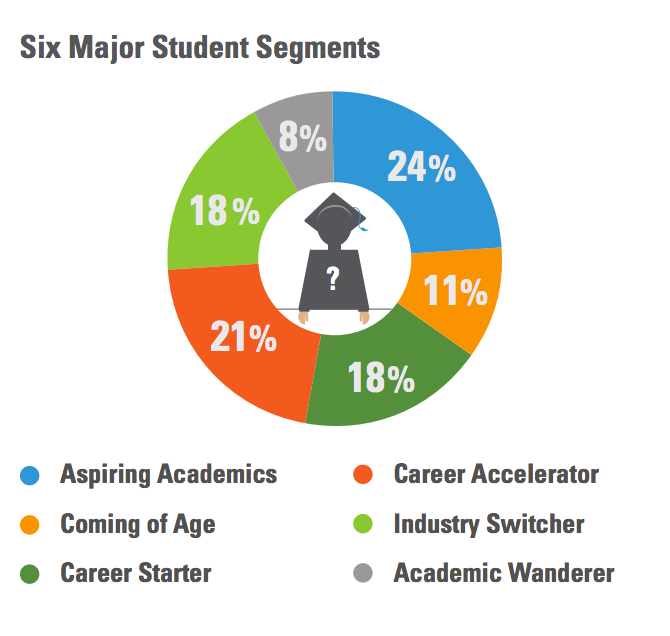
Sign 3 — Every student goes through the same training regardless of their profile
Batch training — where all students attend the same sessions, cover the same content, and follow the same schedule — is the default model for most placement cells. It is also one of the most limiting.
A student targeting a product company and a student targeting a mass recruiter have fundamentally different preparation needs. A student with strong aptitude scores but weak communication requires a different focus than one with the reverse profile. When everyone receives identical training, resources are diluted and results reflect it.
A system upgrade means moving to segmented preparation — where students are assessed early, grouped by profile and target role, and trained with content that matches their specific gaps. This is not more complex to manage; with the right tools, it is actually more efficient.

Sign 4 — Your coordinators are stretched across administrative tasks
If your placement team spends a significant portion of its time tracking attendance, manually compiling assessment scores, sending reminder communications, or organising logistics — they are not spending that time on what only humans can do: counselling students, building recruiter relationships, and providing meaningful mentorship.
This is one of the most common and costly inefficiencies in placement cells. The team is hardworking, but the system they are working within is not designed to make the most of their time.
AI-powered platforms like LeetCampus automate the repetitive tracking and reporting tasks — freeing your coordinators to focus on high-value work that genuinely moves outcomes forward.

Sign 5 — Recruiter relationships start from scratch every season
If your placement cell’s primary interaction with recruiters happens in the three months before the hiring season — and then goes quiet until the following year — the relationship never matures beyond a transactional one.
Companies that return to campuses year after year do so because they trust the institution — not just the placement numbers, but the professionalism of the process, the quality of communication throughout the year, and the sense that the placement team genuinely understands what they are looking for.
An upgraded system includes a year-round recruiter engagement calendar — structured placement reports at the end of each season, mid-year touchpoints, and consistent communication that keeps your institution visible and professional in the recruiter’s mind long before the next hiring window opens.
“A placement cell is not just a support function. It is a strategic asset — and like any asset, it needs to be built for where things are heading, not where they have been.”
If any of these signs feel familiar
Recognising the gap is the first step. The second is understanding that upgrading a placement system does not require a large budget or a complete overhaul — it requires the right tools, the right data, and a willingness to move from processes that are familiar to ones that are effective.
LeetCampus is built specifically for placement teams that are ready to make that move — bringing AI-powered preparation, real-time readiness tracking, and structured student progress reporting into one platform designed for Indian colleges.
The institutions seeing the strongest placement outcomes today are not the ones with the largest teams or the biggest budgets. They are the ones with the smartest systems.
LeetCampus is an AI-powered placement training platform built for colleges and institutions across India. We help placement teams prepare students smarter, track progress in real time, and deliver stronger outcomes every placement season.